Process notes for ordering.
Process vessel level selection depends on pressure, temperature, density, mounting geometry, cleanability, viscosity, vapor and whether the vessel is open, sealed or pressurized.
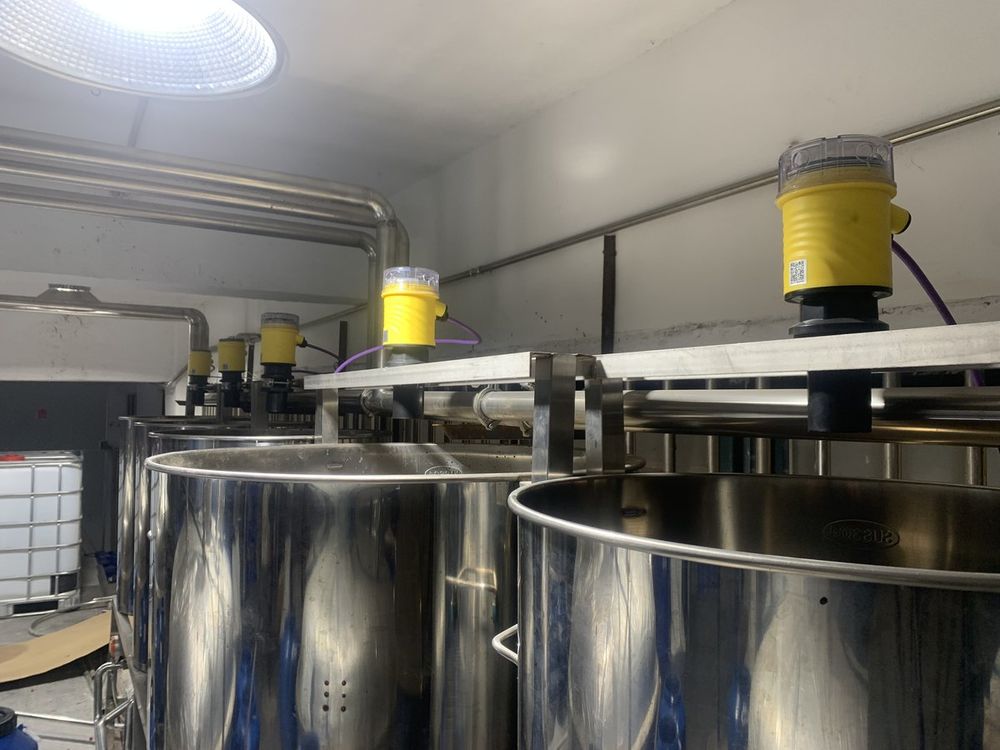
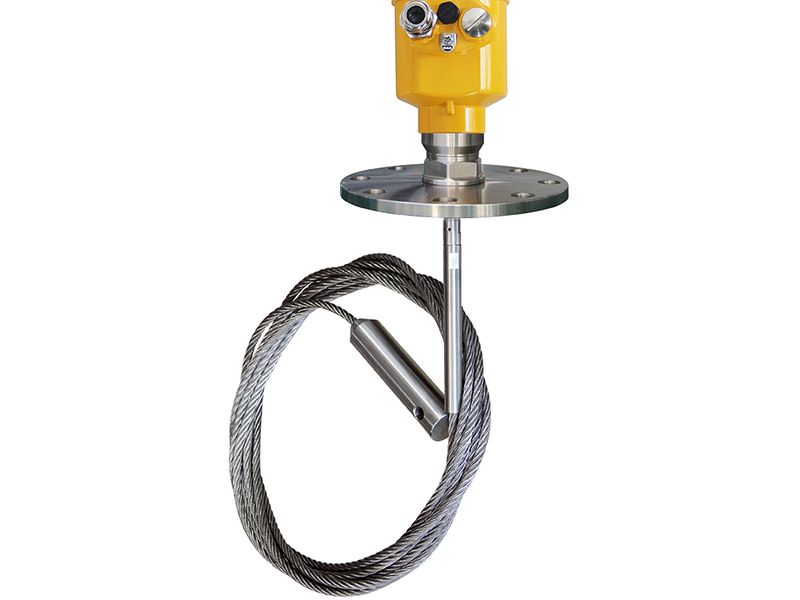
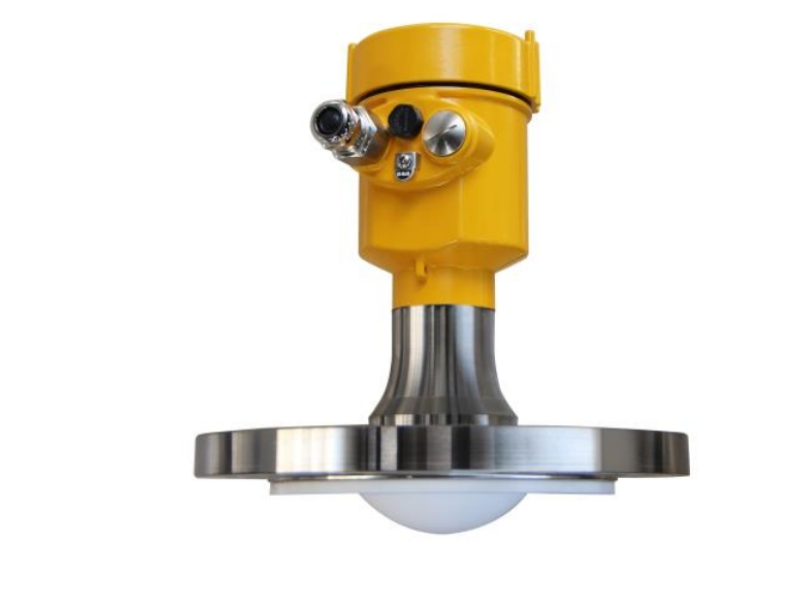
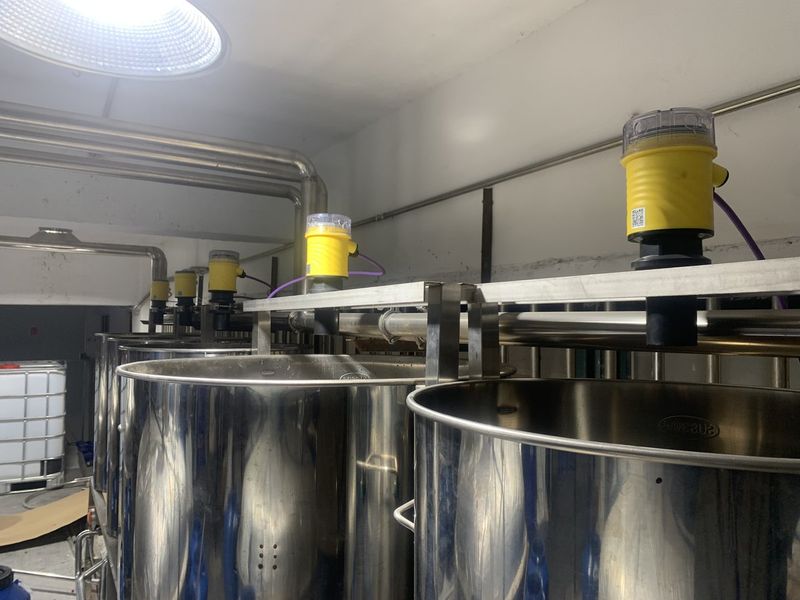
Radar is useful when non-contact measurement is preferred and the nozzle geometry allows a clean beam path. Guided wave radar is reviewed for bypass chambers, interface or low-dielectric applications.
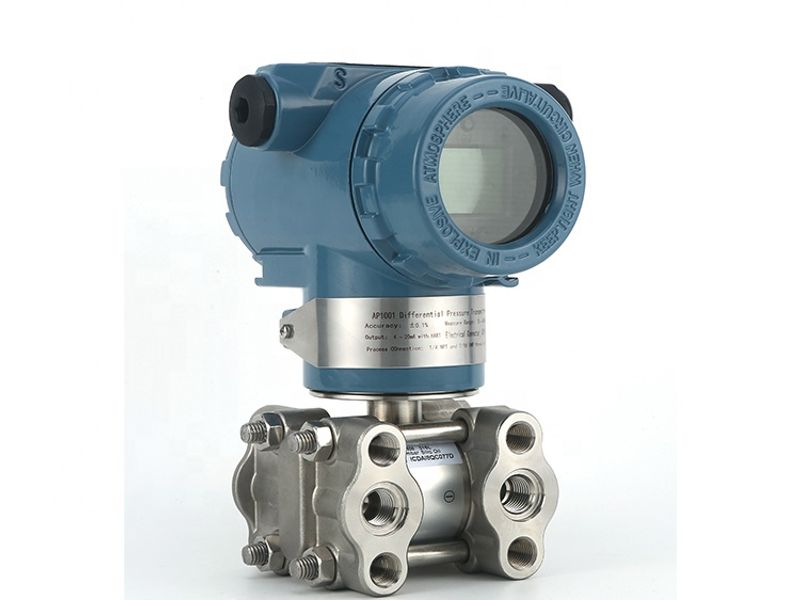
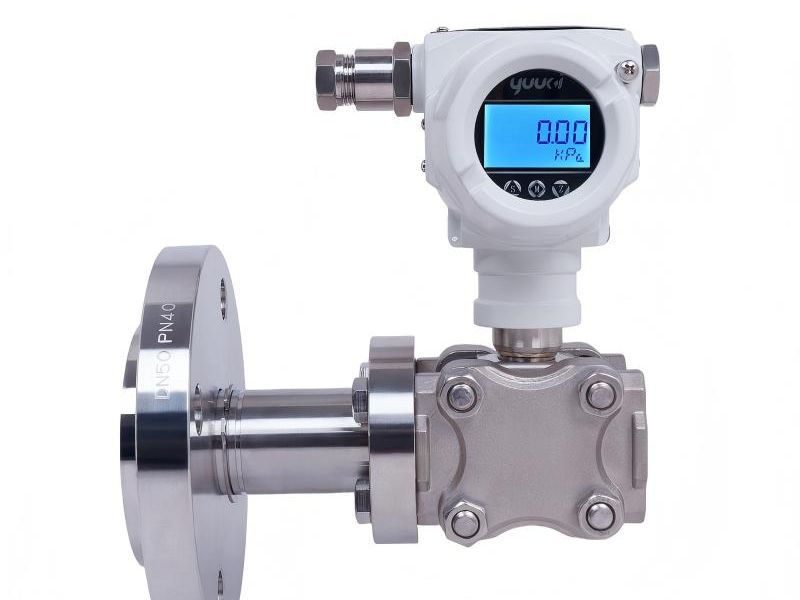
For sealed or pressurized tanks, differential pressure or flush diaphragm transmitters may be more practical than a submersible probe. Sanitary tanks need connection, diaphragm and cleaning-cycle review.
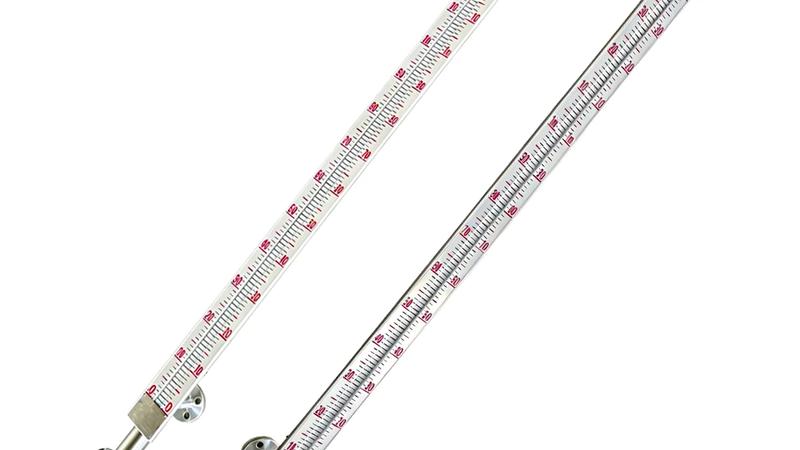
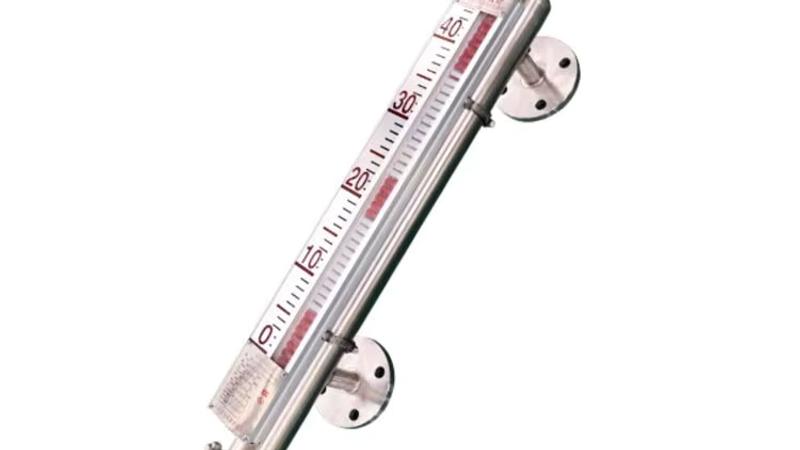
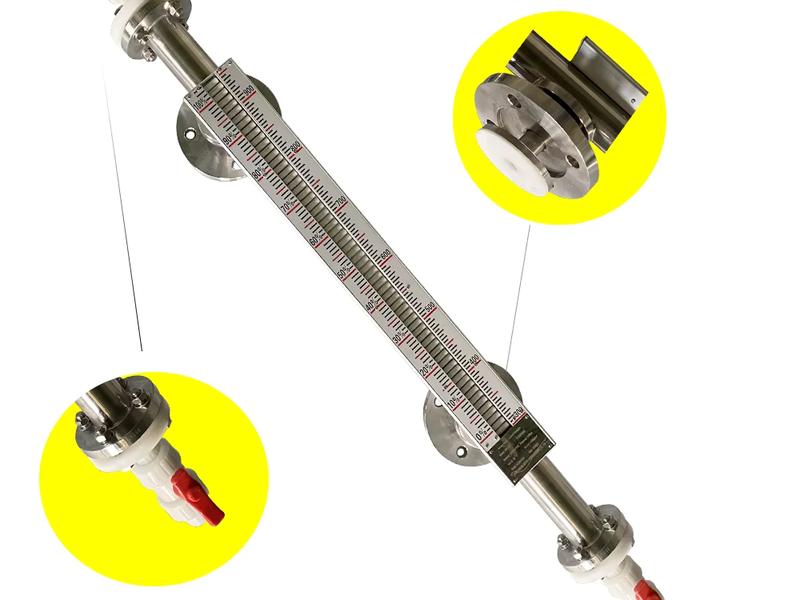
If operators need direct local indication, magnetic level gauges or glass gauges can be paired with switches or transmitters. If the vessel is insulated, steam-jacketed, high-pressure or high-temperature, the chamber, float, gasket and flange rating must be checked together.
For RFQ, send vessel drawing, nozzle positions, design pressure, operating pressure, temperature, density, viscosity, cleaning cycle, output signal and whether the instrument must support local reading, remote signal, alarm contacts or interface measurement.
Operating limits vary by medium and installation - values above are typical ranges, confirmed per project.