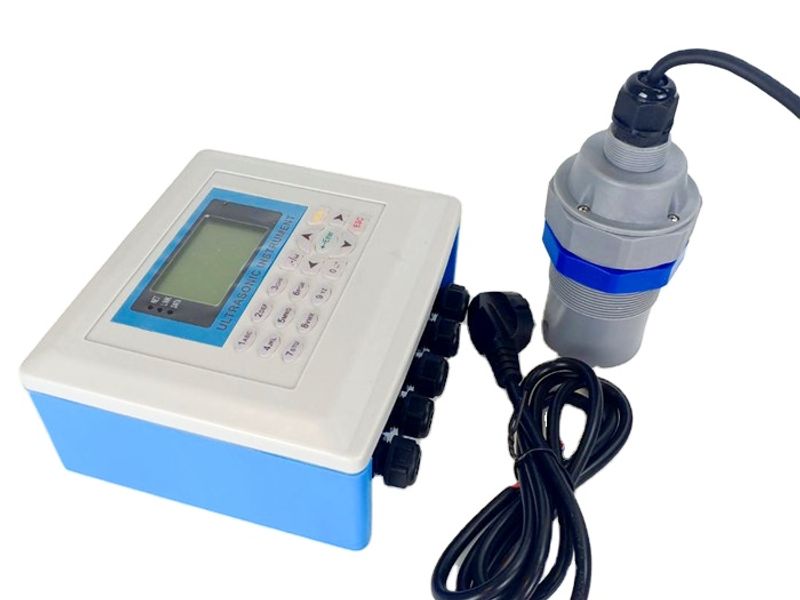
Integrated Ultrasonic Level Meter
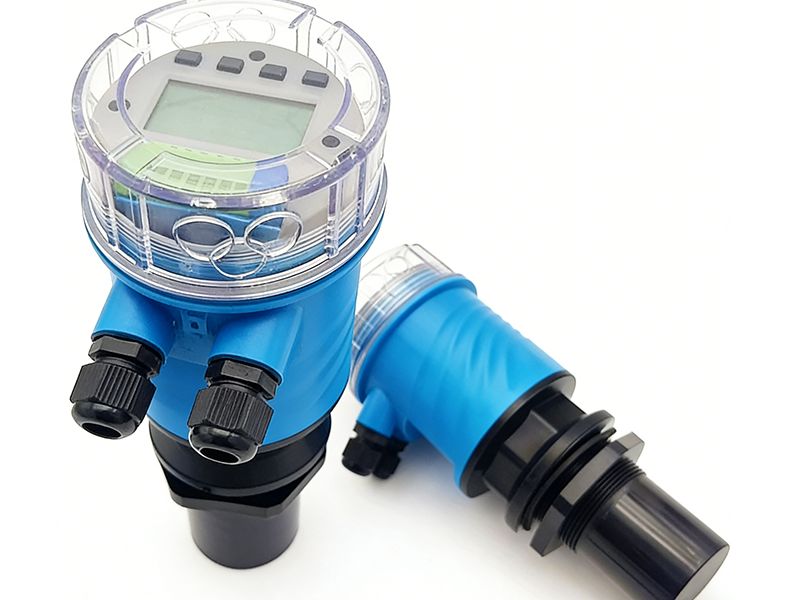
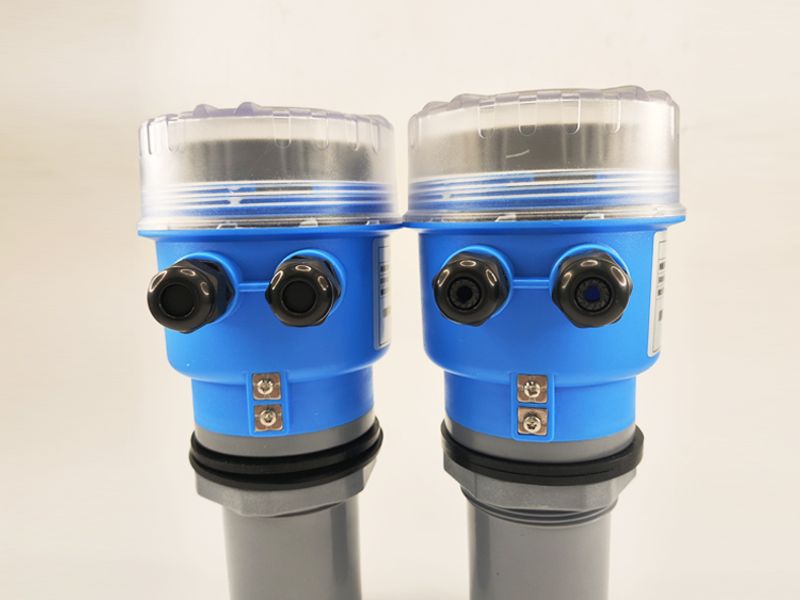
Integrated non-contact ultrasonic level meter with local display, analog output, relay and RS-485 options for tanks and sumps.
Range class: 1-30 m class by selected sensorDetails →
Non-contact ultrasonic level meters for open tanks, water and wastewater pits, chemical day tanks, small vessels, open-channel flow structures and selected sealed-tank retrofits.
WELK reviews tank height, maximum fill level, sensor range and nozzle height so the selected ultrasonic meter still has a reliable echo zone.
The RFQ review separates stable water duties from difficult vapor, foam, pressure or dust conditions where radar may be safer.
PTFE, PVDF or PP sensor faces are selected from chemical name, concentration, temperature and vapor condition instead of using a generic plastic sensor.
Open-channel projects need the weir or flume dimensions, head range and flow table, not only a tank-height value.
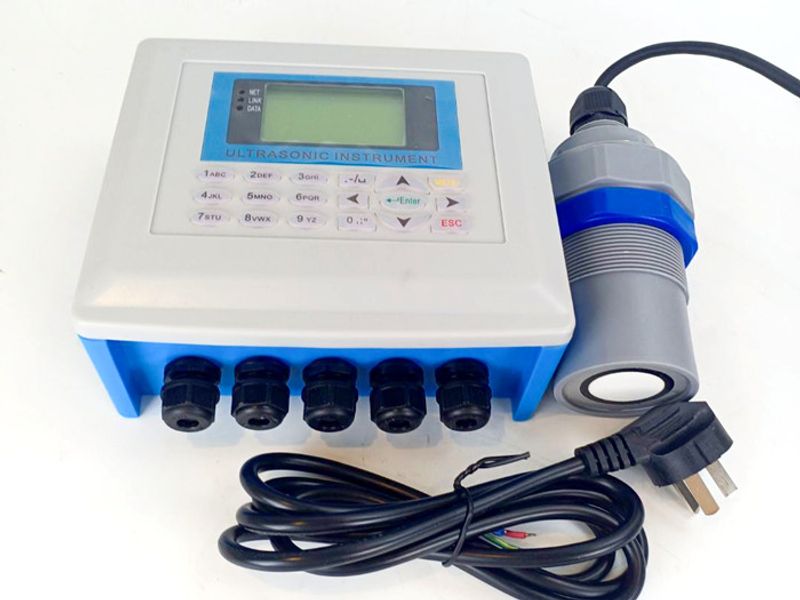
Integrated non-contact ultrasonic level meter with local display, analog output, relay and RS-485 options for tanks and sumps.
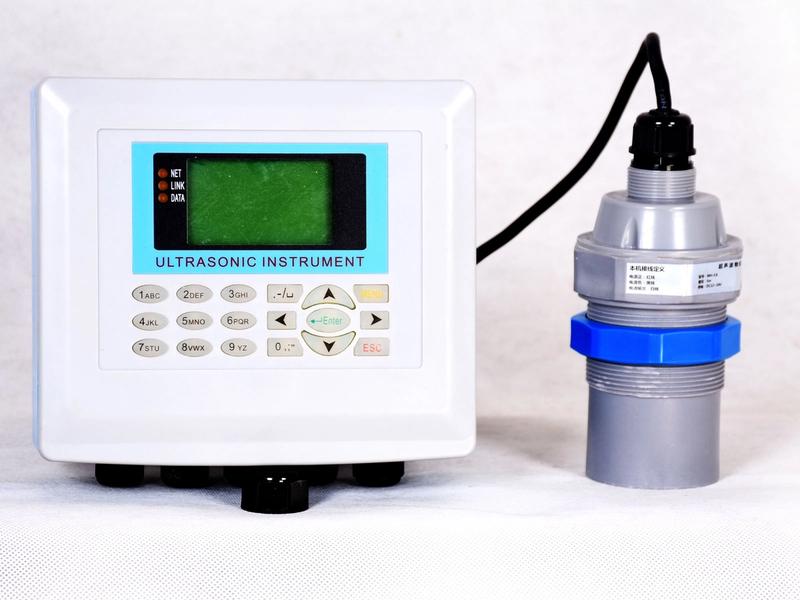
Separated ultrasonic transducer and wall-mounted display/controller for deep pits, pump stations and tanks where tank-top reading is inconvenient.
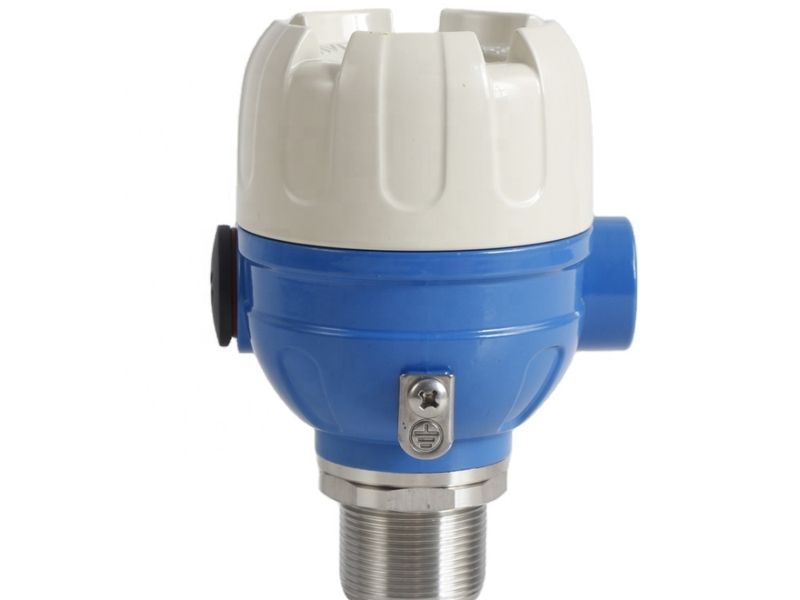
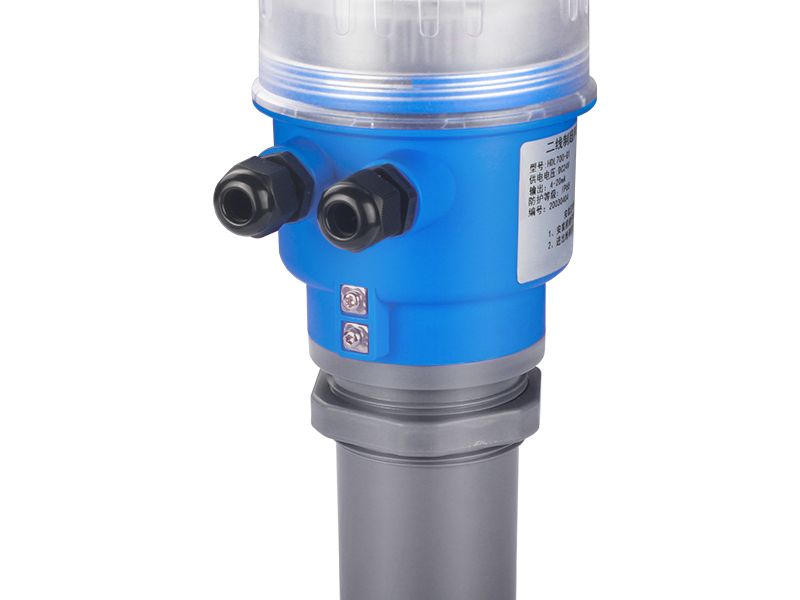
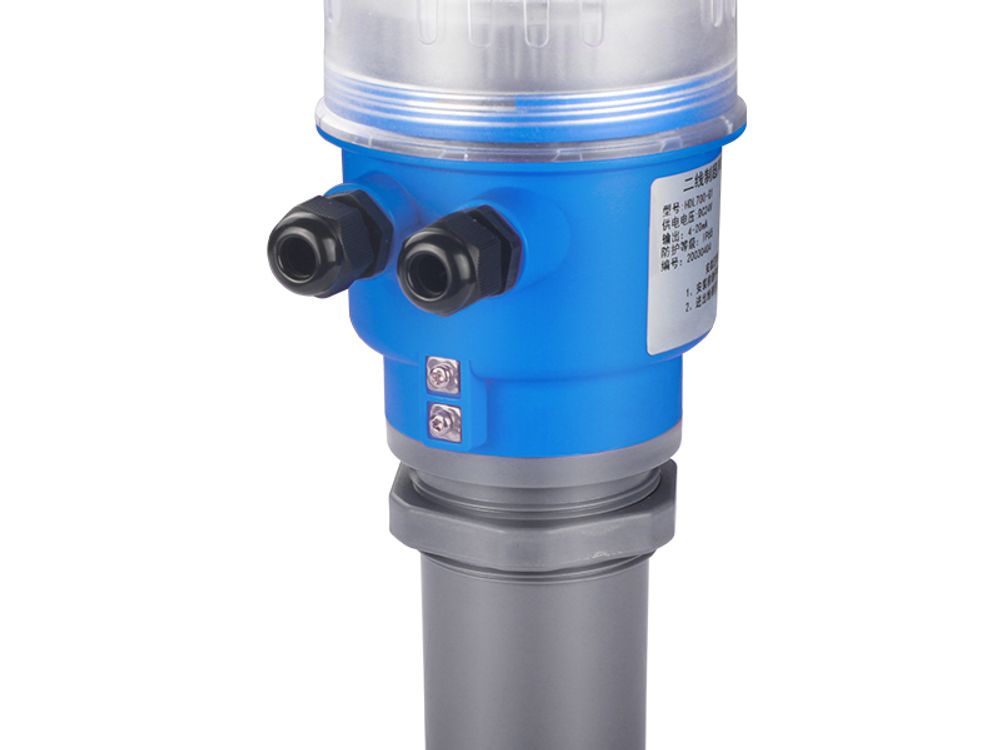
Loop-powered ultrasonic level transmitter for simple 4-20 mA tank level signals in water, wastewater and compatible chemical applications.
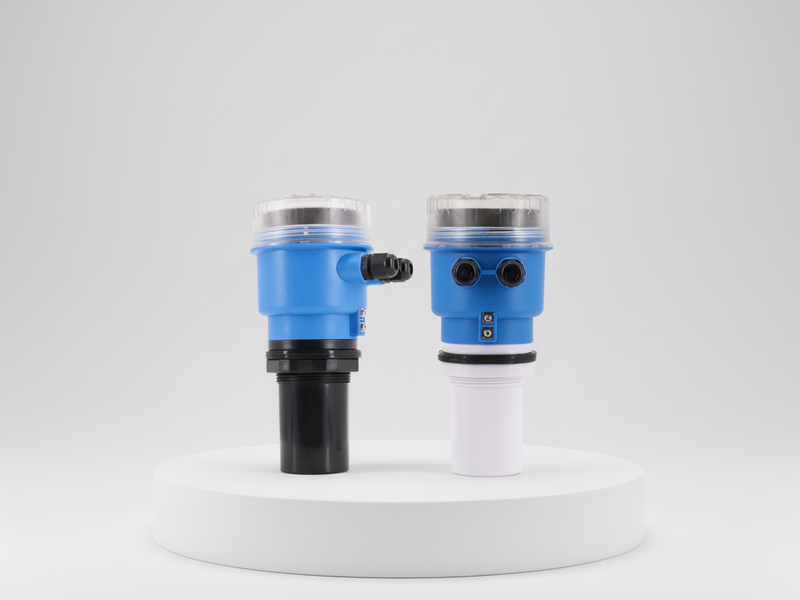
Compact ultrasonic level sensor for small tanks, utility vessels and OEM equipment with analog, digital or switch-output options.
Short-range ultrasonic level sensor for shallow tanks where the highest liquid level is close to the sensor face.
PTFE, PVDF or PP-faced ultrasonic level meter for compatible acid, alkali and chemical storage tanks.
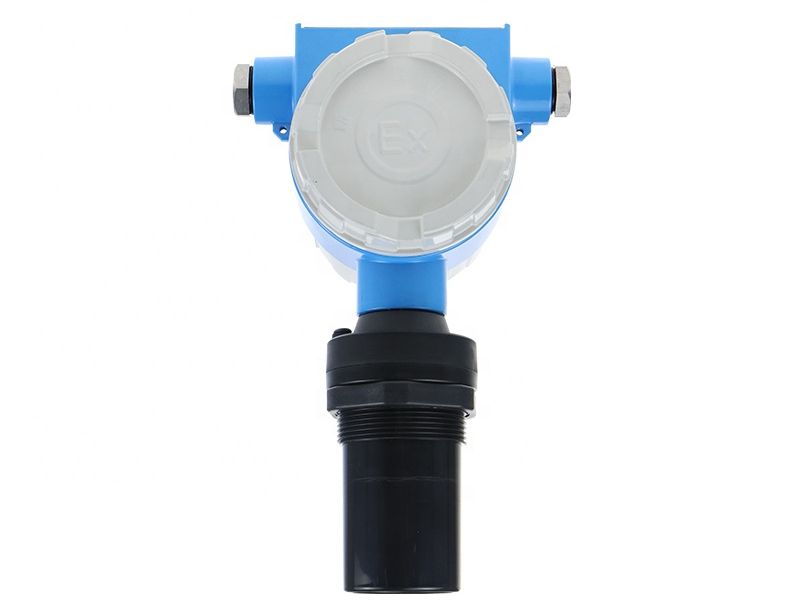
Hazardous-area ultrasonic level meter option for compatible liquid tanks where acoustic measurement conditions remain stable.
Ultrasonic head-level measurement package for flumes, weirs, wastewater channels and industrial discharge flow monitoring.
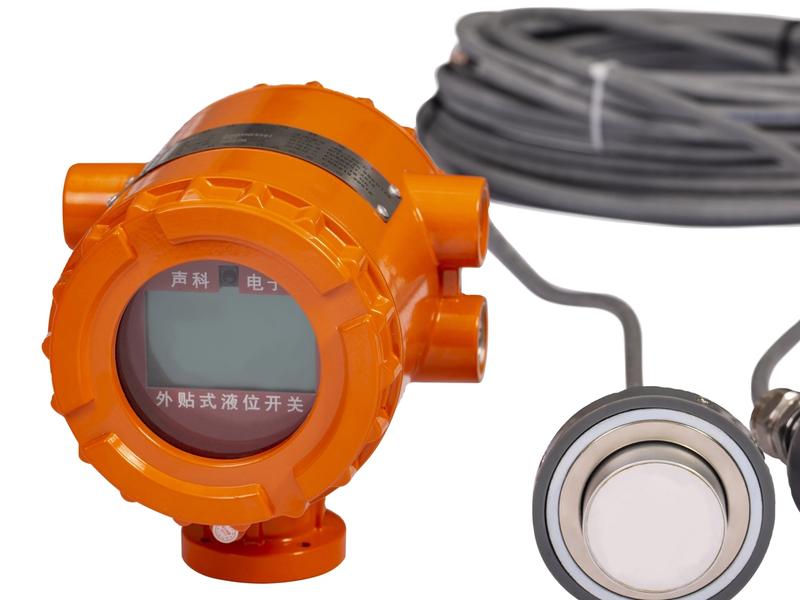
Externally mounted ultrasonic tank level gauge for selected sealed tanks where no process opening is preferred.
Ultrasonic level meter configuration for water storage, diesel day tanks and selected utility fuel tanks after vapor and hazardous-area review.
Ultrasonic level meters are economical non-contact instruments when the air space between the sensor and the liquid surface is stable. They are widely used on water tanks, sewage sumps, pump stations, open basins, chemical day tanks and utility storage tanks.
The technology measures distance by acoustic time-of-flight, so selection must start with blind zone, measuring range, tank height, maximum fill level, foam, vapor, turbulence, ambient temperature variation and whether the nozzle gives a clear sound path.
Integrated ultrasonic meters are convenient when the display and wiring can stay at the tank top. Split ultrasonic meters move the display, relay logic and power wiring to a safer wall or panel location. Two-wire transmitters fit analog loop projects, while compact and low blind-zone sensors fit short tanks and OEM equipment.
Corrosion-resistant and explosion-proof ultrasonic products should be treated as application-reviewed variants. They are useful in the right conditions, but heavy vapor, dense foam, pressure variation or aggressive condensation may require radar or another level technology.
For open-channel flow, WELK selects the ultrasonic head sensor together with the primary structure information. Send the flume or weir type, dimensions, maximum flow, mounting height, power supply and output signal before quotation.
| Series | Best for | RFQ note |
|---|---|---|
| Integrated ultrasonic level meter | Water tanks, sumps and simple local display duties | Tank height, maximum level, blind zone and output signal |
| Split ultrasonic with remote display | Deep pits, pump stations and hard-to-read tank tops | Sensor cable length, relay logic, panel position and power |
| Two-wire ultrasonic transmitter | 4-20 mA loop systems and PLC analog input | Loop power, range class, nozzle and communication need |
| Compact ultrasonic level sensor | Small tanks, utility skids and OEM equipment | Thread size, range, output and enclosure rating |
| Low blind-zone ultrasonic sensor | Short tanks where the maximum level is close to the sensor | Maximum fill level, blind-zone clearance and beam path |
| Corrosion-resistant ultrasonic | Acid, alkali and compatible chemical day tanks | Chemical name, concentration, vapor, temperature and sensor-face material |
| Explosion-proof ultrasonic | Compatible hazardous liquid storage with stable acoustic conditions | Area classification, medium, certificate need and vapor condition |
| Open-channel ultrasonic level and flow | Flumes, weirs, wastewater channels and discharge points | Primary structure dimensions, head range and totalizer requirement |
| External ultrasonic tank level gauge | Selected sealed tanks where opening the tank is not preferred | Tank wall material, thickness, lining, liquid and coupling condition |
| Water and fuel tank ultrasonic | Water storage, diesel day tanks and utility fuel tanks | Liquid, vapor risk, tank height, mounting position and hazardous-area need |
Ultrasonic is usually more cost-effective for open tanks, clean water, wastewater sumps and stable utility duties. Radar is safer when vapor, foam, dust, pressure or high temperature can weaken the acoustic echo.
It is the minimum distance below the sensor where measurement is not reliable. The exact blind zone depends on the sensor range and configuration, so the maximum fill level must be checked before selection.
Yes, when vapor, foam and temperature conditions are suitable and the sensor face, mounting adaptor and cable gland are compatible with the chemical environment.
The sensor principle is similar, but open-channel flow needs a controller or table matched to a weir, flume or channel structure. It should be quoted as an open-channel package.
Send liquid name, tank height, measuring range, maximum level, mounting nozzle or bracket, output signal, power supply, site photos and any foam, vapor, turbulence or hazardous-area requirement.
Engineering confirms the product family before quotation.
Uploaded reference files are included with the inquiry. For larger CAD packages, reply to the confirmation email or send them here:
Our team typically replies within 24 hours.
80 GHz radar, compact radar, silo radar, air-purge radar, hazardous-area radar, high-temperature radar and guided wave radar product families with 4-20 mA, HART, RS-485 and project telemetry options.
Cable-type, small-diameter, deep-well, wastewater, drinking-water, PTFE anti-corrosion, smart display, flush diaphragm, sanitary and DP level transmitter families for continuous liquid level measurement.
Power-free local indication plus magnetic, glass plate/tube, high-pressure, lined, steam-jacketed, insulated, switch and 4-20 mA transmitter configurations.
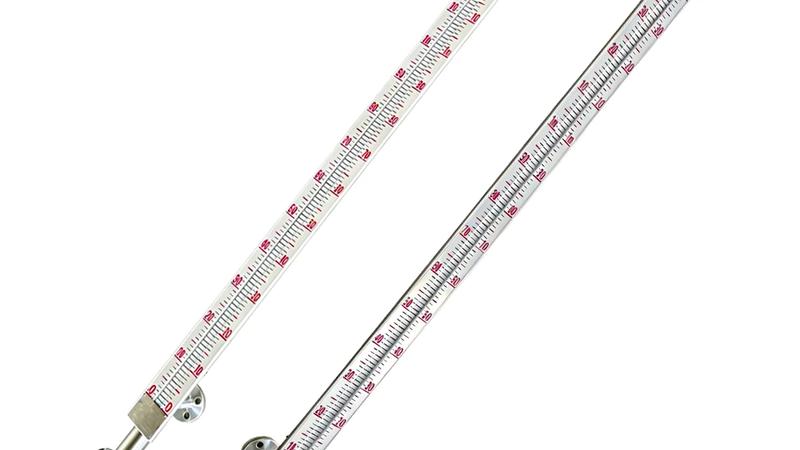
High-pressure magnetic level gauges to 16 MPa and 450°C — steam jackets, frost protection, float collapse margins. Contact WELK with your…
Plan your OEM/ODM level instrument project from China: MOQs, tooling costs, lead times, and IP protection explained. Request a WELK quote…
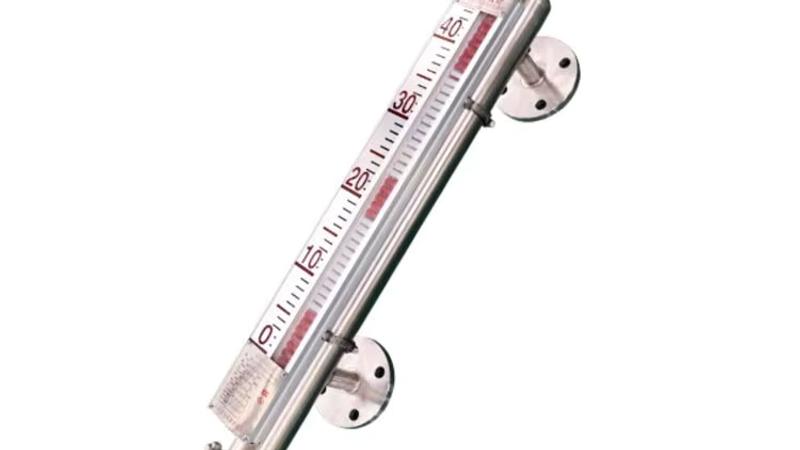
Compare 316L, PP-lined and PTFE-lined magnetic level gauge materials for corrosive tanks: temperature and pressure limits. Get a quote…