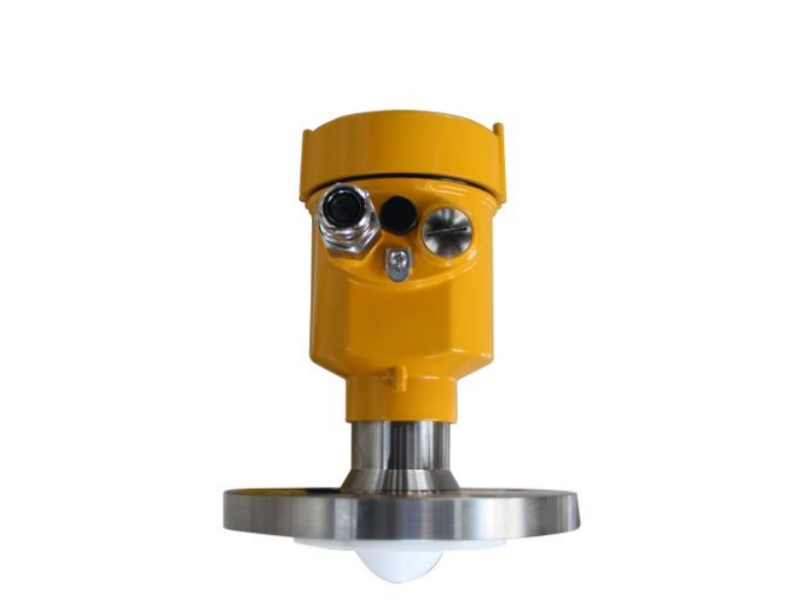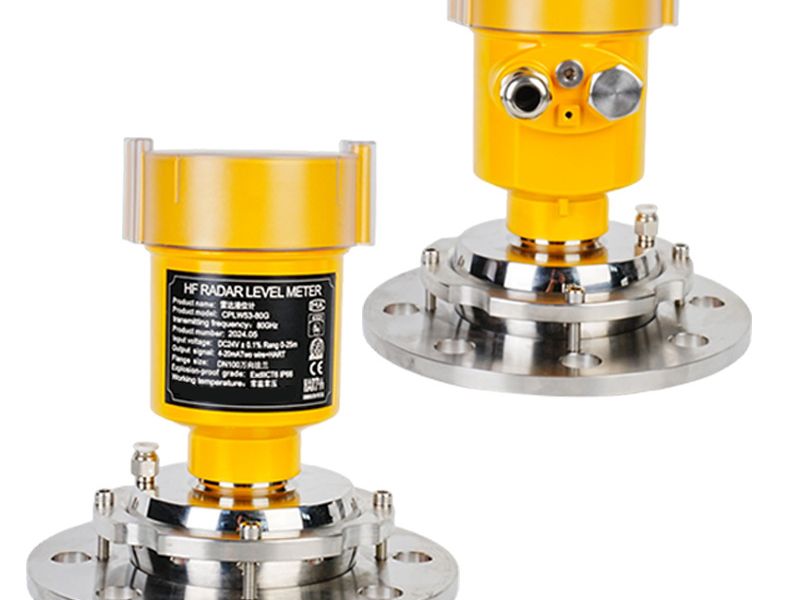
80 GHz Radar Level Meter
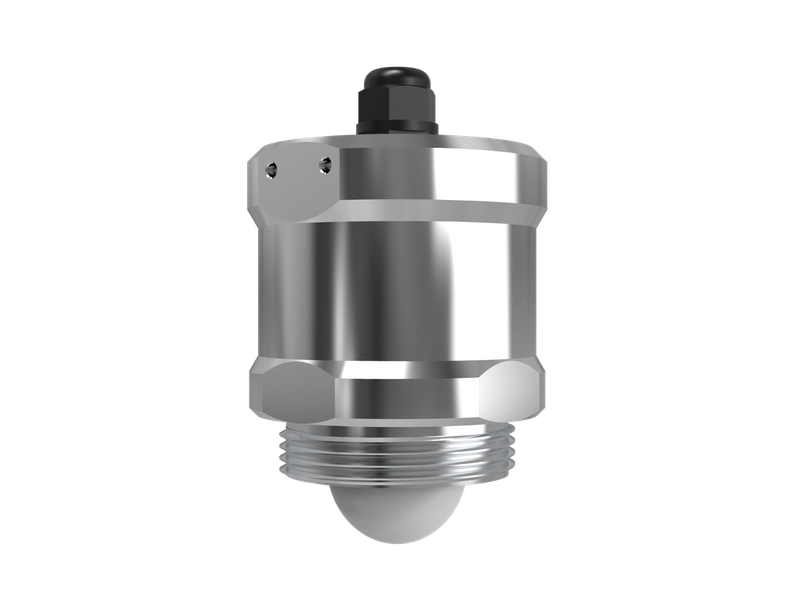
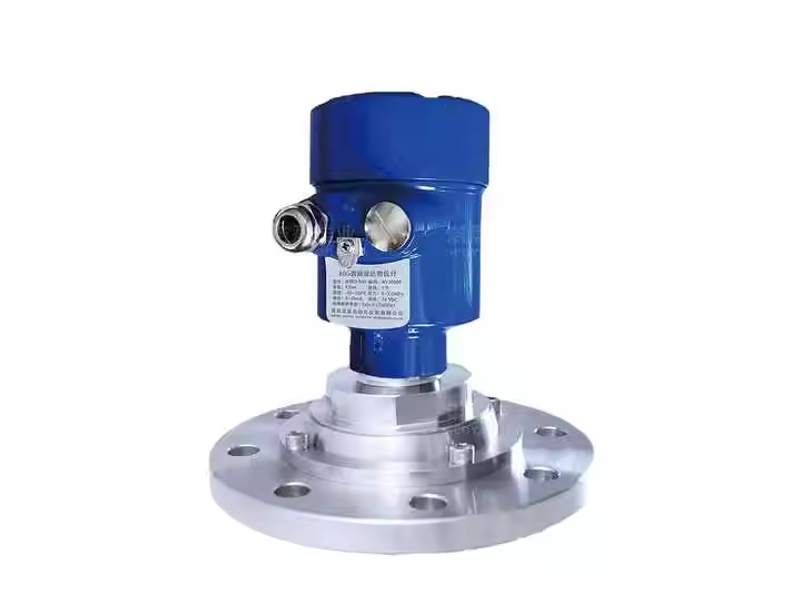
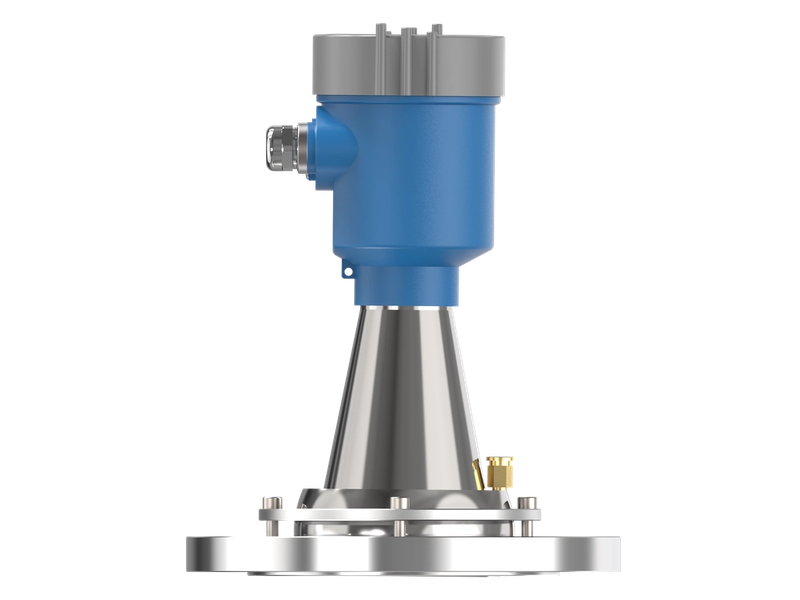
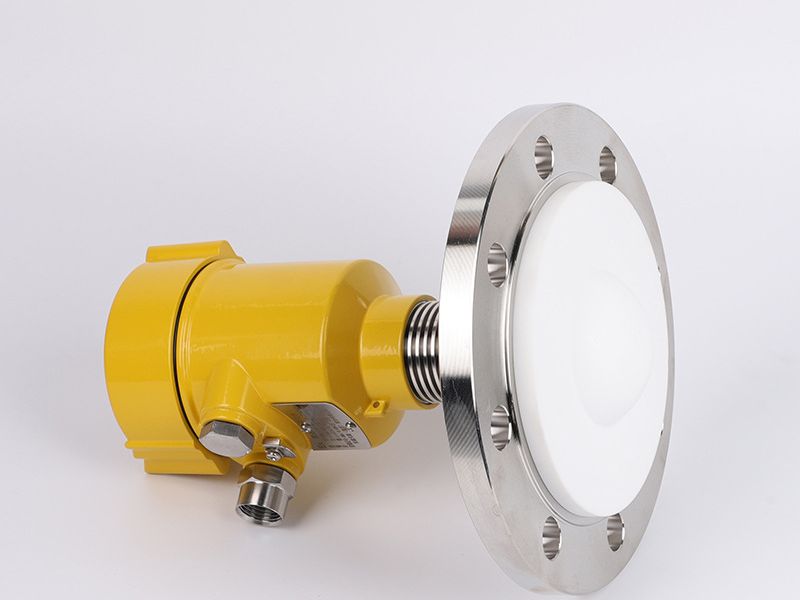
Configurable 80 GHz FMCW radar level meter for storage tanks, process vessels and selected solids with narrow-beam non-contact measurement.
Frequency: 80 GHz FMCWDetails →
Non-contact FMCW radar and guided wave radar level instruments for liquid tanks, bulk-solid silos, water infrastructure, chemical storage and high-duty process vessels.
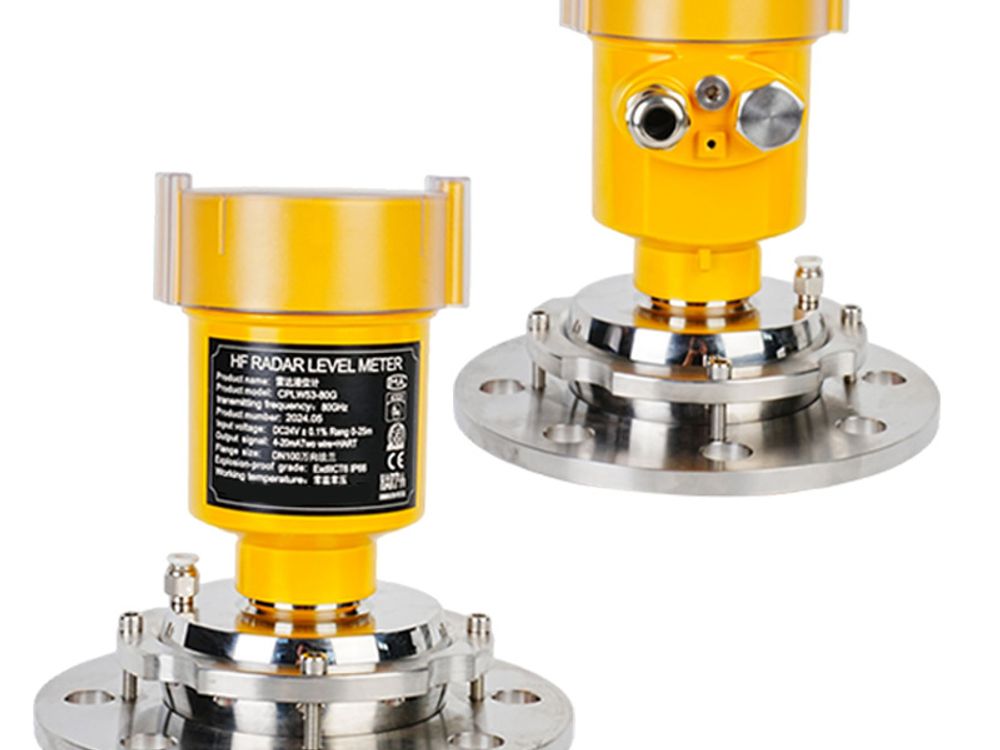
WELK separates radar duties from ultrasonic duties and checks whether free-space radar, guided wave radar or another level technology is safer.
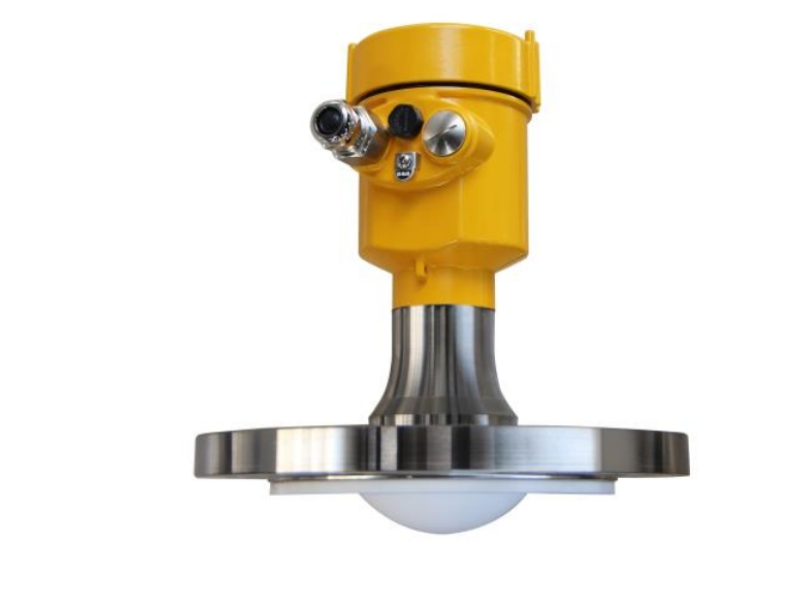
Lens, horn, flange, aiming and air-purge options are reviewed from silo height, filling stream, dust load and purge-air availability.
Nozzle height, blind zone, beam angle, tank internals, dielectric condition, pressure and temperature are checked before quotation.
Guided wave radar is treated as a separate probe-based family for narrow tanks, interface review, bypass chambers and low-dielectric media.
Configurable 80 GHz FMCW radar level meter for storage tanks, process vessels and selected solids with narrow-beam non-contact measurement.
Compact non-contact radar transmitter for water tanks, utility vessels, pump stations and short-to-medium industrial ranges.
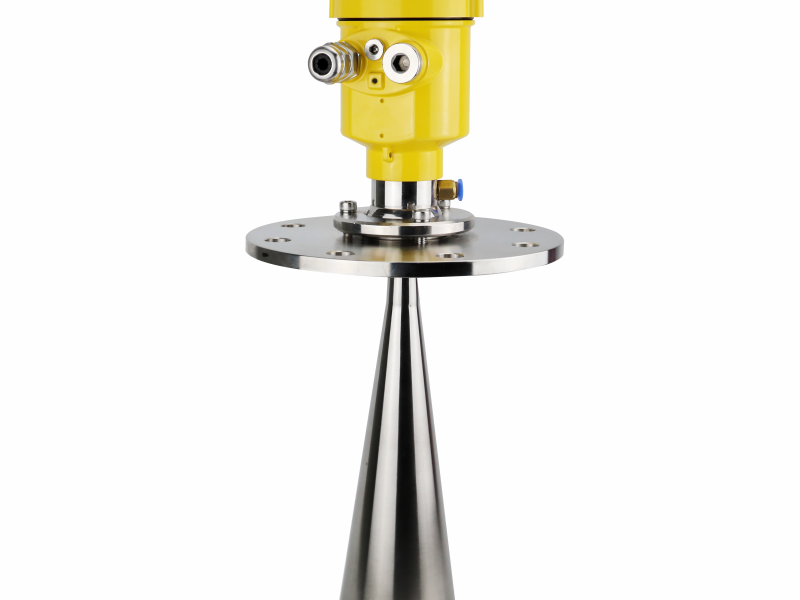
Long-range radar level meter for powders, pellets, cement, fly ash and bulk solids storage where dust and uneven surfaces must be reviewed.
80 GHz radar package with purge connection for dusty silos and applications where antenna buildup can weaken the echo.
Radar level meter configured for cement, fly ash, lime and mineral powder silos with dust, filling stream and aiming review.
Non-contact radar level meter selected for acid, alkali, solvent and chemical tanks where exposed materials and vapor conditions matter.
Compact radar sensor package for rivers, reservoirs, canals, drainage wells and outdoor water-level telemetry points.
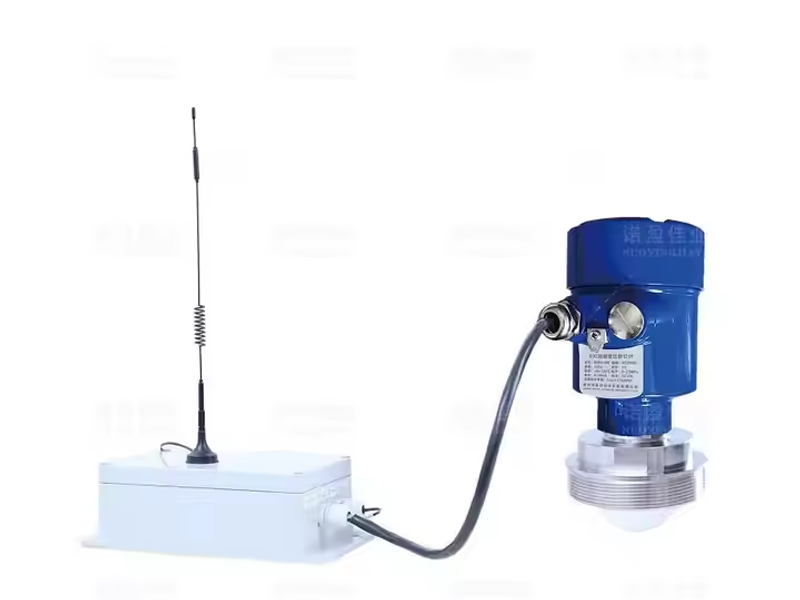
Radar level package with telemetry options for remote tanks, rivers, drainage wells and unmanned monitoring points.
Non-contact radar package for open-water level and surface-velocity monitoring where fouling or submerged sensors are a concern.
Radar level transmitter option for compatible hazardous liquid or solids applications after area classification and certificate review.
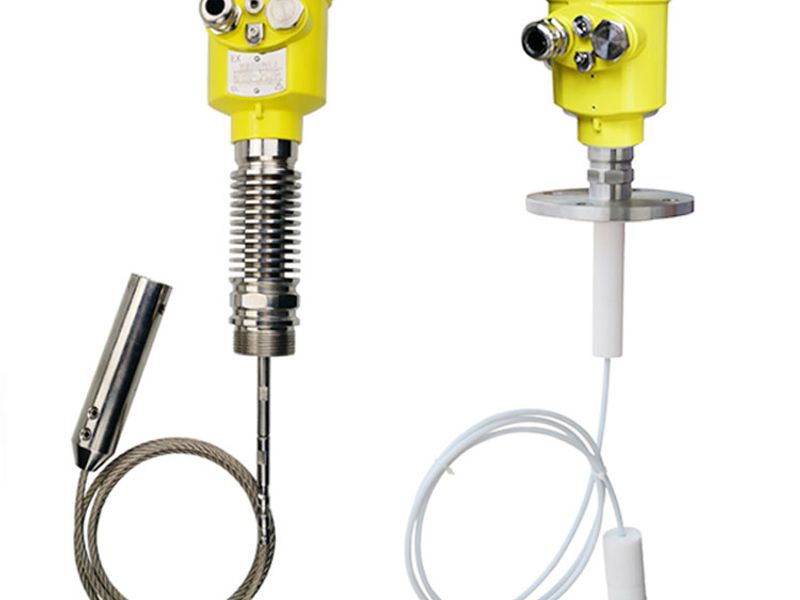
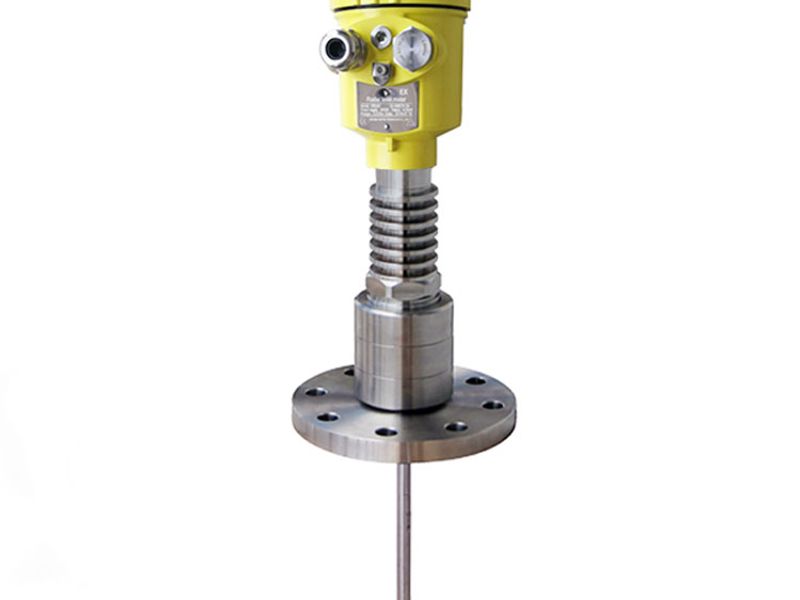
Radar level meter configured with protected antenna, spacer or cooling extension for elevated-temperature process vessels.
Probe-based guided wave radar transmitter for narrow tanks, bypass chambers, low-dielectric liquids and selected interface applications.
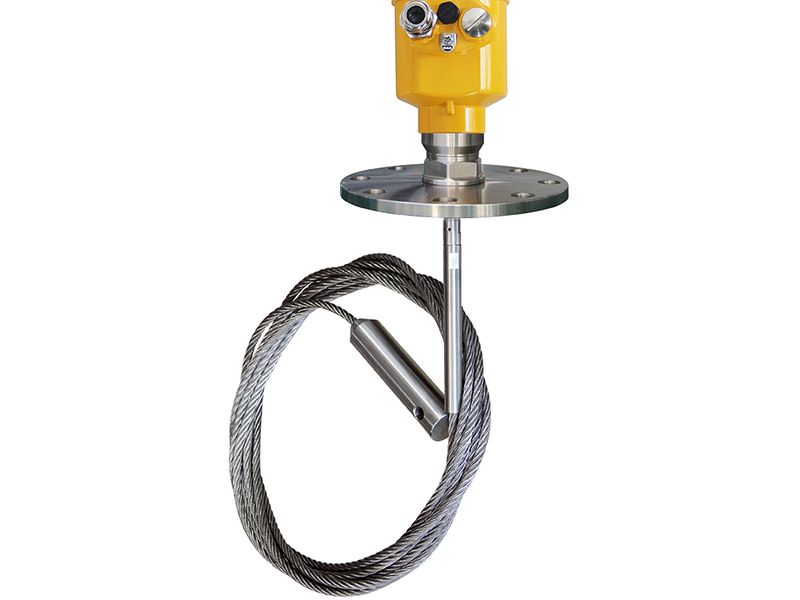
Flexible cable guided wave radar for taller tanks and selected bulk solids where a rigid probe is impractical.
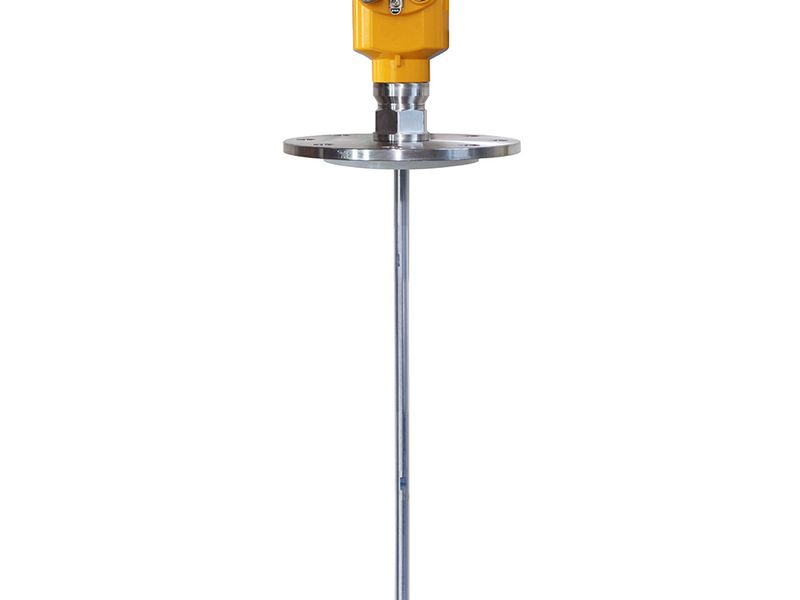
Rigid rod guided wave radar for clean liquids, bypass chambers and shorter process vessels with stable probe geometry.
Coaxial guided wave radar option for low-dielectric liquids, small chambers and applications needing a contained signal path.
Radar level meters are selected when non-contact measurement is needed and ultrasonic echo reliability is uncertain. Common reasons include vapor, foam, dust, pressure, temperature variation, long range, low dielectric media or difficult outdoor water applications.
80 GHz free-space radar uses a narrow beam, which helps with small nozzles, tall silos, internal structures and dusty bulk solids. The correct configuration still depends on antenna style, process connection, beam path, false echo suppression and the material surface.
Guided wave radar is different from free-space radar. It uses a rod, cable or coaxial probe and is often reviewed for narrow tanks, bypass chambers, low-dielectric liquids, interface service and conditions where non-contact radar may see unwanted echoes.
For silos, send height, diameter, cone geometry, nozzle position, filling point, material name, dust level and whether air purge is available. For liquids, send tank height, medium, dielectric, foam, vapor, pressure, temperature and hazardous-area requirement.
WELK writes radar pages as configurable product families rather than fixed model pages. Final measuring range, accuracy class, output, pressure rating, temperature rating and approval wording must be confirmed from the ordered configuration.
| Series | Best for | RFQ note |
|---|---|---|
| 80 GHz radar level meter | General tanks, process vessels and selected solids | Tank height, nozzle, medium, output and area classification |
| Compact radar transmitter | Water tanks, sumps, utility vessels and short-to-medium ranges | Mounting thread, range, enclosure and signal protocol |
| Long-range silo radar | Tall silos, powders, pellets, cement and fly ash | Silo height, dust, filling stream, antenna and aiming |
| Air-purge radar | Strong dust or antenna buildup risk | Purge air pressure, connection and maintenance access |
| Corrosive-liquid radar | Acid, alkali, solvent and chemical tanks | Chemical name, concentration, vapor and wetted/exposed materials |
| Explosion-proof radar | Fuel, solvent and hazardous liquid storage | Area classification, gas group, temperature class and documents |
| Guided wave radar | Narrow tanks, bypass chambers and interface review | Probe type, length, dielectric, viscosity and buildup |
Choose radar when vapor, foam, dust, pressure, high temperature or long range can disturb ultrasonic measurement. Stable open water and simple sumps may still use ultrasonic for cost reasons.
80 GHz radar is non-contact and measures through free space. Guided wave radar uses a rod, cable or coaxial probe and is reviewed for narrow vessels, low dielectric liquids, interface or bypass chamber applications.
No. Air purge is useful when dust or buildup can cover the antenna, but it needs clean air, correct pressure and a purge connection. Many cleaner solids can use a standard lens or horn antenna.
Send medium, tank or silo height, nozzle size and height, pressure, temperature, output signal, power supply, hazardous-area need and photos or drawings of the mounting point.
Engineering confirms the product family before quotation.
Uploaded reference files are included with the inquiry. For larger CAD packages, reply to the confirmation email or send them here:
Our team typically replies within 24 hours.
Integrated, split, two-wire, compact, low blind-zone, PTFE-faced, explosion-proof, open-channel, external and water/fuel tank ultrasonic level instruments for economical non-contact measurement.
Cable-type, small-diameter, deep-well, wastewater, drinking-water, PTFE anti-corrosion, smart display, flush diaphragm, sanitary and DP level transmitter families for continuous liquid level measurement.
Power-free local indication plus magnetic, glass plate/tube, high-pressure, lined, steam-jacketed, insulated, switch and 4-20 mA transmitter configurations.
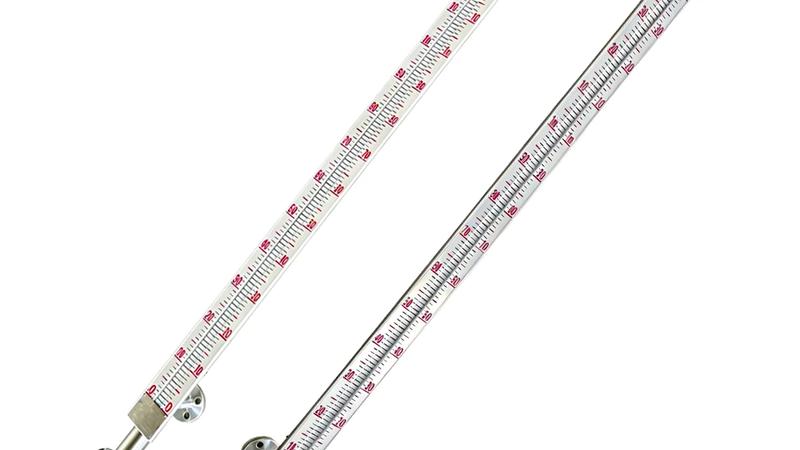
High-pressure magnetic level gauges to 16 MPa and 450°C — steam jackets, frost protection, float collapse margins. Contact WELK with your…
Plan your OEM/ODM level instrument project from China: MOQs, tooling costs, lead times, and IP protection explained. Request a WELK quote…
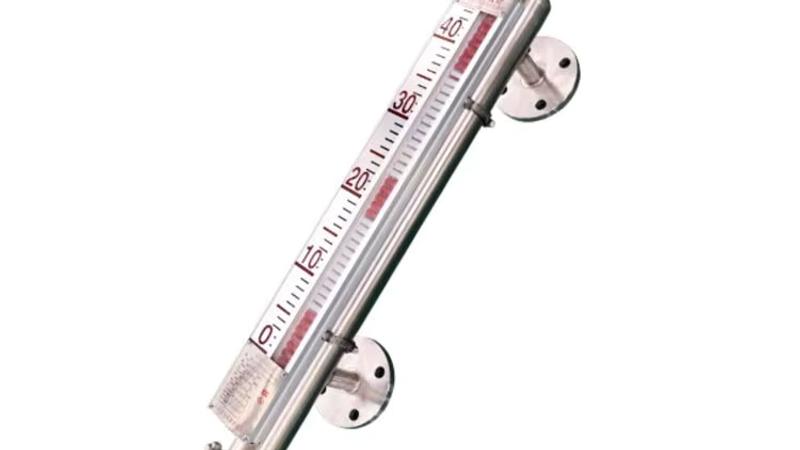
Compare 316L, PP-lined and PTFE-lined magnetic level gauge materials for corrosive tanks: temperature and pressure limits. Get a quote…