Technical
Explosion-Proof Radar Level Transmitters: ATEX/IECEx Zone 0/1/2 Guide
Choosing an ATEX/IECEx explosion-proof radar level transmitter? Compare Ex d vs Ex ia for gas Zone 0/1/2 and dust Zone 20/21/22, then get a certified quote.
Choosing an ATEX/IECEx explosion-proof radar level transmitter? Compare Ex d vs Ex ia for gas Zone 0/1/2 and dust Zone 20/21/22, then get a certified quote.
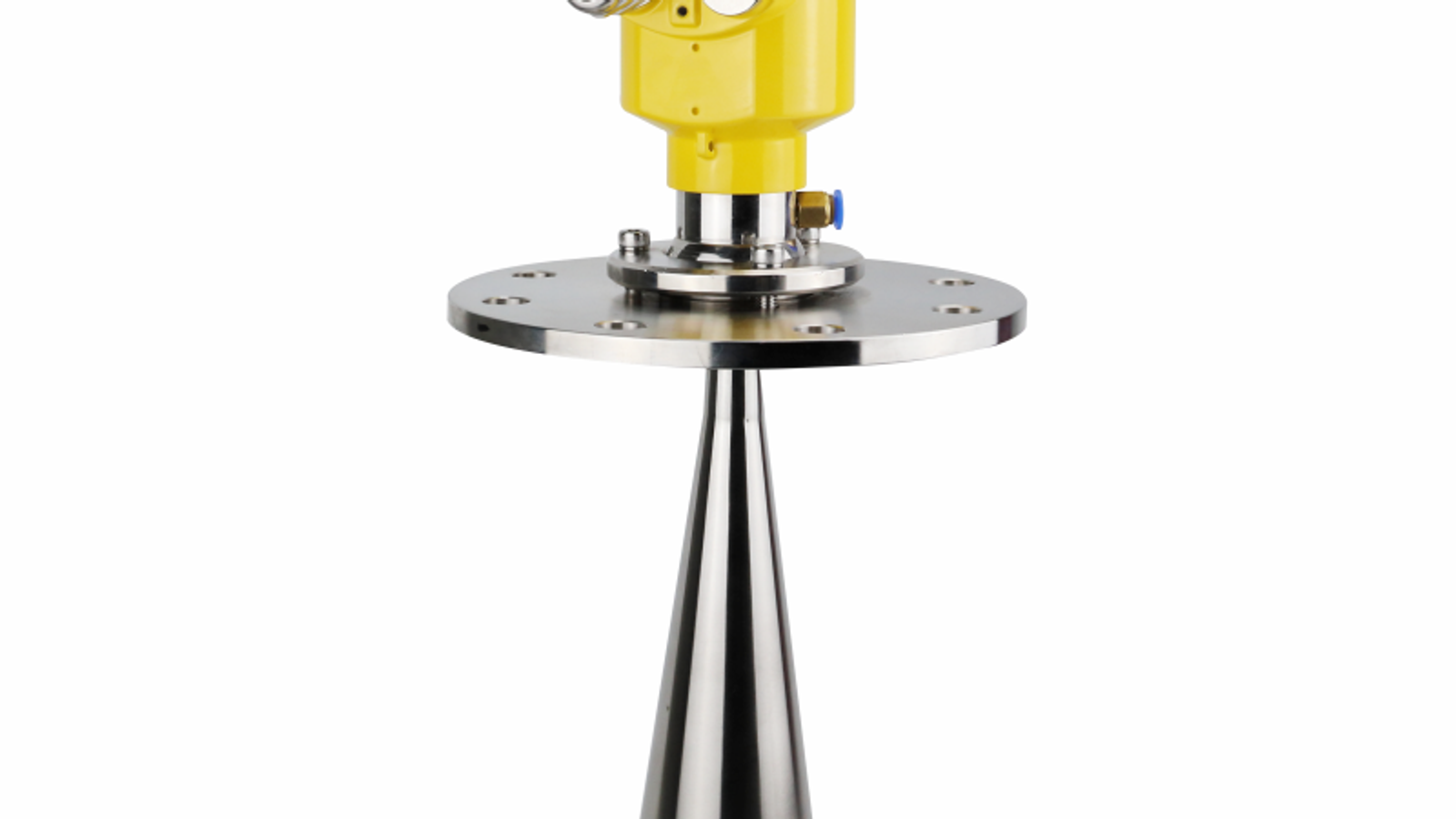
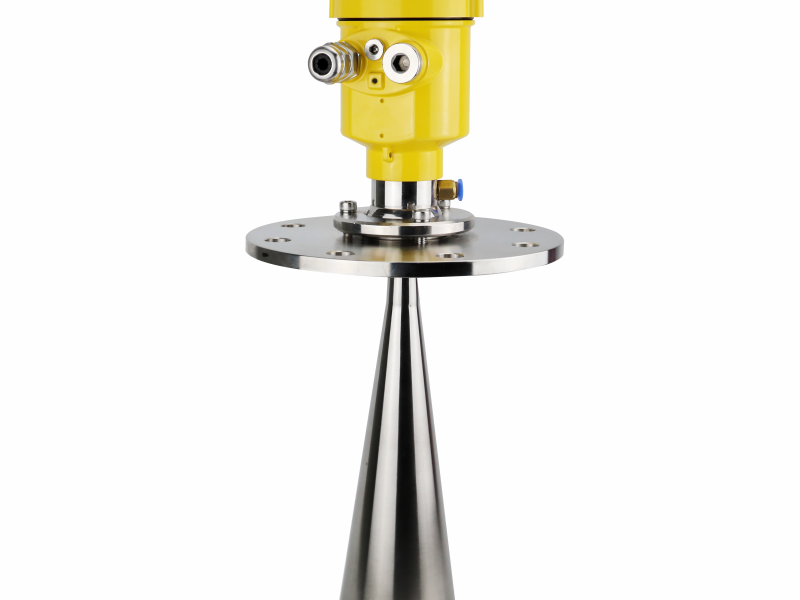
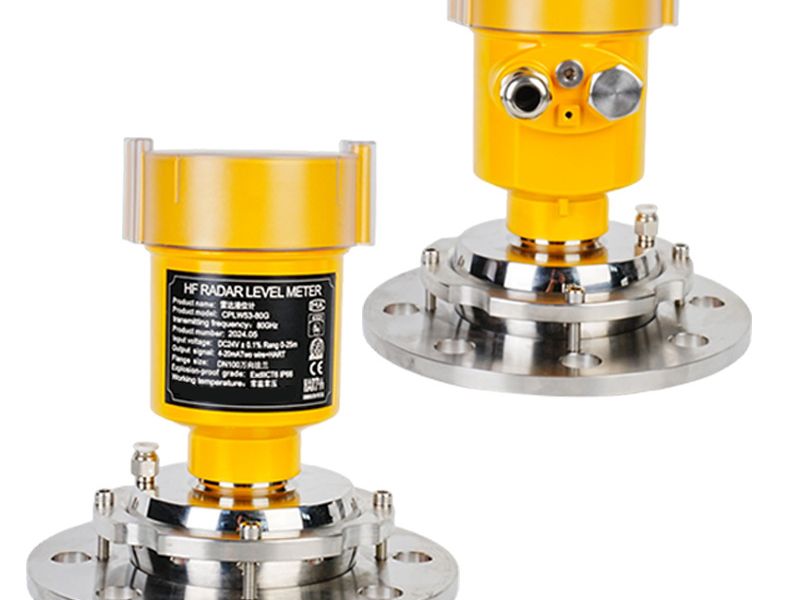
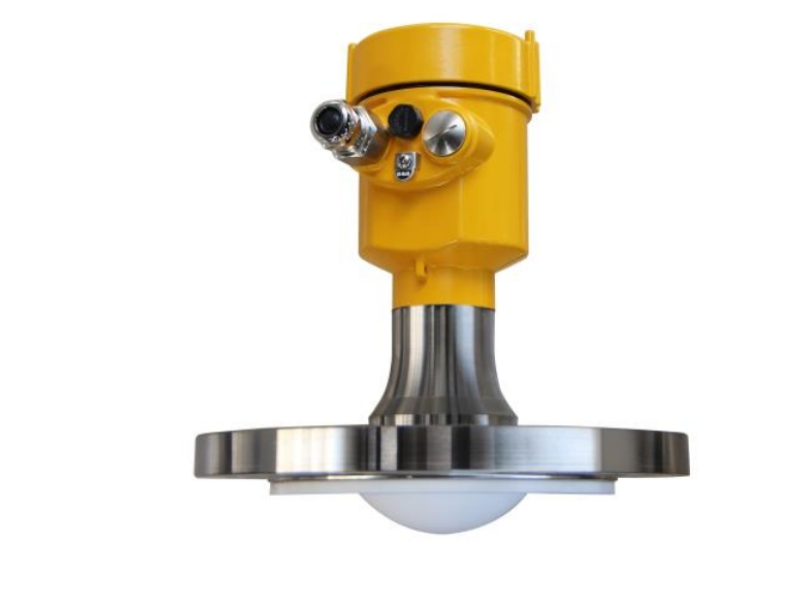
An explosion-proof radar level transmitter is a radar-based level instrument engineered and certified to measure level safely in hazardous areas where flammable gases, vapors, or combustible dusts may be present. It must be designed and tested against international standards — ATEX in Europe and IECEx globally — which classify the hazard by zone (Zone 0, 1, or 2 for gases; Zone 20, 21, or 22 for dusts), by gas group (IIA, IIB, IIC), by temperature class (T1–T6), and by protection concept, most commonly Ex d flameproof containment or Ex ia intrinsic safety. For procurement managers, process engineers, EPC contractors, and plant safety engineers, those markings decide more than instrument cost: they determine whether a transmitter is legally installable and physically safe on a chemical storage tank, a pressurized vessel, or a cement and plastic silo.
ATEX and IECEx both divide hazardous locations by the probability that an explosive atmosphere is present — the more frequent the atmosphere, the stricter the equipment rating required.
Gas zones
Dust zones
Two further markings must be matched to the process. The gas group classifies the explosive substance: IIA (propane-like), IIB (ethylene-like), or IIC (hydrogen and acetylene-like, the most demanding). The temperature class limits maximum surface temperature — T6 (≤ 85 °C) down to T1 (≤ 450 °C) — and must sit at or below the ignition temperature of the gas or dust. An Ex db IIC T6 Gb radar, for example, is flameproof, group IIC-certified, and suitable for Zone 1.
The protection concept is the physical strategy that stops the instrument from igniting the atmosphere, and it is usually the first decision a buyer makes.
Ex d protects by containment. The transmitter housing is a rugged, machined flameproof enclosure that withstands an internal explosion and prevents it from propagating to the outside atmosphere. Certified flame paths — narrow, precisely toleranced gaps at every flange and gland — cool and quench the hot gases before they reach the outside.
Ex ia protects by limiting energy. The transmitter and its signal loop are designed so the electrical energy available is too low to ignite the gas or dust, even under two simultaneous faults. The limit is enforced by an associated apparatus — typically a galvanically isolating or zener barrier in the safe area.
Many hazardous-area radars combine both ideas: an Ex d housing with an intrinsically safe sensor or HART path, or an Ex ia transmitter with an Ex d process seal. When you specify, state the concept you want — Ex d, Ex ia, or an Ex d/ia hybrid — because the certificate, wiring, and price all follow.
This table maps each ATEX/IECEx zone to the protection concept the standards permit and to the class of radar you would normally specify.
| Hazard zone | Atmosphere | Protection concept required | Typical radar selection |
|---|---|---|---|
| Zone 0 | Flammable gas present continuously or for long periods | Ex ia (Ga) or Ex m encapsulation | Zone 0-certified 80 GHz Ex ia radar level transmitter |
| Zone 1 | Flammable gas likely in normal operation | Ex d flameproof or Ex ia | Ex d 80 GHz explosion-proof radar level transmitter |
| Zone 2 | Flammable gas unlikely; brief occurrence only | Ex d; Ex ia; or Ex nA | Ex d 80 GHz radar level transmitter (standard) |
| Zone 20 | Combustible dust cloud present continuously or frequently | Ex ia (dust) or Ex t dust-tight enclosure | Dust-certified 80 GHz radar with sealed antenna |
| Zone 21 | Combustible dust cloud likely occasionally | Ex t dust-tight or Ex ia | Dust-certified 80 GHz radar with sealed or purged antenna |
| Zone 22 | Combustible dust unlikely; brief occurrence only | Ex t; Ex nA | Dust-certified 80 GHz radar level transmitter |
Gas-zone and dust-zone certification are independent: a transmitter marked for Zone 1 gas is not automatically certified for Zone 21 dust, and vice versa.
Frequency choice drives accuracy, antenna size, and serviceability in hazardous areas. 80 GHz radar (W-band) has three advantages on zone-rated tanks and silos.
Smaller antenna, easier and cheaper installation. The 80 GHz wavelength shrinks the antenna to roughly 40 mm or less, so it fits existing flanges and nozzles — critical where you cannot cut a larger opening on a pressurized vessel — and means a smaller penetration through the Ex d housing and a lighter process connection.
Narrow beam angle, fewer false echoes. At 80 GHz the beam angle drops to about 3–5°, versus 10–20° at lower frequencies. The beam misses tank walls, baffles, coils, and agitator blades that generate spurious echoes, so signal evaluation is simpler and the reading more trustworthy. In a silo it stays clear of walls and build-up rings that plague wide-beam radar.
Better penetration of dust, vapor, and build-up. Focused, higher-frequency energy carries through heavy dust clouds, condensation, and vapor layers with less attenuation. On cement, fly ash, plastic pellets, and fine powders — where the dust zone is often why the instrument exists — 80 GHz radar keeps a clean echo where lower-frequency units lose signal. For a deeper comparison, see 80 GHz vs 26 GHz radar level transmitters; our 80 GHz radar level meter page lists the certified variants.
For hazardous-area instruments, the certificate is the deliverable. Request these three by name, depending on the installation site.
A certificate number on a datasheet is not proof. Verify before you place the purchase order:
Our certificates page lists the certifications held by WELK instruments, backed by factory testing and inspection behind each Ex-tagged unit.
Chemical tank farms are typically Zone 1, with Zone 0 in vents, flame areas, and certain reactor headspaces. Corrosive media dominate the wetted-part decision: choose an antenna and process seal engineered for the specific chemical — often PTFE or PFA encapsulated — and match the temperature class to the solvent flash point. An intrinsically safe sensor with a flameproof housing is a common configuration.
Pressure and temperature, not the zone alone, drive the selection. The process connection and antenna must carry the vessel rating, and process temperature derates the housing surface temperature, so a high-temperature-rated Ex d radar is usually specified. Look for a certified model whose temperature class holds across the full operating range, including steam-out cycles. Our high-temperature radar level meter is certified for this service.
Silos are usually dust Zone 21 or 22, sometimes with a gas hazard from volatile additives. The requirements are long range (often 30–70 m), tolerance of heavy dust and build-up, and a dust-tight (Ex t) or intrinsically safe dust rating. A long-range 80 GHz radar with a narrow beam and sealed or purged antenna is the standard answer. Our cement silo radar level meter is a proven starting point.
For alarm and interlock duties rather than continuous inventory, an explosion-proof tuning fork level switch is a lower-cost, reliable complement to radar.
1. Specifying Ex d for a Zone 0 application. A flameproof enclosure is rated Gb and belongs in Zone 1; Zone 0 gas requires a Ga rating, meaning Ex ia or Ex m. Buying Ex d for a Zone 0 headspace is a compliance error no on-site engineering can fix.
2. Buying the transmitter and forgetting the loop. Ex ia is only intrinsically safe with the certified barrier in the loop; Ex d is only flameproof with certified flameproof glands and sealed unused entries. Budget for the full measuring chain, not just the instrument.
3. Ignoring the gas group and temperature class. IIB equipment is not automatically valid for IIC service, and a T3 rating is not valid where the gas ignites at a lower temperature. Match all three markings — zone, group, class — to the process.
4. Assuming one certificate covers every region. ATEX does not automatically satisfy IECEx-recognized jurisdictions, and neither replaces a NEPSI certificate for mainland China. Ask for the certificates you need at the installation site.
5. Forgetting dust certification. A gas-zone-certified radar is not dust-certified. Dust zones need an Ex t or dust-rated Ex ia marking, and the enclosure and antenna seal must be evaluated for dust ingress.
6. Not verifying the certificate. A photocopied certificate with the right number is not the same as a verified, in-scope, current certificate. Use the verification checklist above before you commit.
7. Underspecifying temperature. Process temperature raises the housing surface temperature and can push the unit out of its temperature class. State the real maximum process temperature, not the nameplate ambient, when you request a quote.
What is the difference between Ex d and Ex ia explosion-proof radar level transmitters? Ex d flameproof contains an internal explosion in a rugged enclosure and prevents flame propagation to the outside; Ex ia limits the loop's electrical energy to a level too low to ignite the atmosphere. Ex d provides more loop power and is typically rated Zone 1 (Gb); Ex ia is required for Zone 0 (Ga) and needs a certified isolating barrier.
Can an explosion-proof radar level transmitter be used in Zone 0? Yes, but only if the transmitter and its entire loop carry a Zone 0 (Ga) rating — in practice Ex ia intrinsic safety or Ex m encapsulation. A standard Ex d flameproof transmitter is rated Gb, suitable for Zone 1 and Zone 2, not Zone 0.
Which certificates should I request for a hazardous-area radar level transmitter? Request ATEX (with the EU-type examination certificate and Declaration of Conformity) for European projects, IECEx for broad international acceptance, and NEPSI for plants in mainland China. If the instrument may move between regions, ask for all three.
How do I verify that an ATEX or IECEx certificate is genuine? Search the certificate number in the IECEx online certificate database, confirm the certificate holder matches the manufacturer, and match the nameplate marking (for example Ex db IIC T6 Gb or Ex ia IIC T6 Ga), zone, gas group, and temperature class against the certificate scope.
Is 80 GHz radar reliable on dusty silos that carry a dust explosion zone rating? Yes. The narrow beam at 80 GHz rejects dust, condensation, and build-up better than lower-frequency radar, and a dust-certified (Ex t or Ex ia dust) transmitter with a sealed or purged antenna is the standard choice for long-range silo duty in cement and plastics.
A zone-rated radar is only as good as the certificate behind it. Send your zone classification (ATEX or IECEx zone, gas group, temperature class), your tank or silo dimensions, the process conditions (media, temperature, pressure, and dielectric constant if known), and your existing nozzle or flange size to the WELK sales team, and we will recommend a certified explosion-proof radar level transmitter with the matching protection concept — Ex d, Ex ia, or dust-rated — with certificate copies and an engineering quotation. No generic answer, no ambiguous markings: the model we propose will carry the exact zone, group, class, and temperature rating your plant needs to pass inspection and run safely.
Radar level transmitter option for compatible hazardous liquid or solids applications after area classification and certificate review.
Configurable 80 GHz FMCW radar level meter for storage tanks, process vessels and selected solids with narrow-beam non-contact measurement.
Radar level meter configured with protected antenna, spacer or cooling extension for elevated-temperature process vessels.
Send drawings, dimensions, material, environment or operating conditions, and we will help confirm the right specification.
Uploaded reference files are included with the inquiry. For larger CAD packages, reply to the confirmation email or send them here:
Our team typically replies within 24 hours.